Choosing the right education for your child has never been simple. For Muslim parents in the UK, the decision often carries extra weight. Beyond academic achievement, there are questions of faith, values, safety, and emotional well-being—especially when raising daughters.
Many parents feel caught between options. Mainstream schools may offer strong academics but little alignment with Islamic values. Weekend madrasahs provide religious learning but not enough depth or consistency. Homeschooling offers flexibility, yet can feel overwhelming without professional support.
This is why more families are asking a new question:
What is an online Islamic school, and could it be the right choice for my daughter?
This guide explains the concept clearly and honestly, with a focus on Muslim girls aged 5–18 and the needs of UK families. It also reflects the educational philosophy of Haya School, where faith, learning, and character are developed together.
What Is an Online Islamic School?
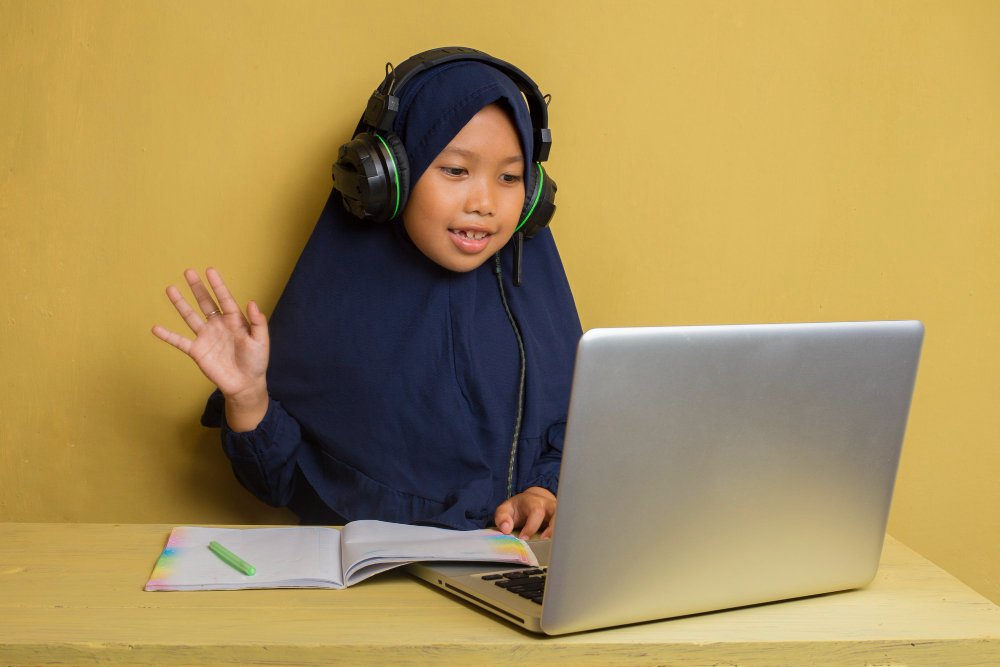
An online Islamic school is a structured, full-time educational setting where students attend live lessons from home through secure online platforms. Unlike casual online courses or self-paced videos, students follow a timetable, are taught by qualified teachers, and work through an organised curriculum.
At schools like Haya School, education is built on two equally important foundations:
Academic learning, following the British curriculum
Islamic education, including Qur’an, Islamic Studies, and character development
Lessons are delivered live, allowing students to ask questions, interact with teachers, and engage with classmates—much like a physical classroom, but without the physical building.
For many families, this model offers structure without compromising values.
How Online Islamic Schools Work in Practice
While every school has its own approach, most high-quality online Islamic schools operate in a similar way.
A Typical School Day
Live online lessons led by teachers
Clear start and finish times
Scheduled breaks
Homework and assessments
Ongoing feedback and progress tracking
At Haya School, classes are intentionally kept small so teachers can understand each child’s learning style and support them personally.
Students log in from home, attend lessons in real time, and complete both online and offline tasks. Parents are not expected to teach; they support routines while teachers lead instruction.
Academic Learning in an Online Islamic School
A common concern among parents is whether online education can match the academic standards of traditional schools.
Reputable Islamic online schools follow the British curriculum, covering subjects such as:
English
Mathematics
Science
Humanities
Computing
Personal development
This ensures children progress through recognised Key Stages and are prepared for future qualifications such as GCSEs and A Levels.
You can explore the British curriculum taught at Haya School to understand how academic rigour is maintained alongside faith-based learning.
Islamic Education as a Daily Experience
One of the defining features of an online Islamic school is that Islamic learning is not treated as an “extra.”
Instead, it is woven into daily education through:
Qur’an recitation and memorisation
Tajweed and pronunciation
Islamic Studies (Aqidah, Fiqh, Seerah)
Tarbiyah and character development
At Haya School, Islamic values guide behaviour, communication, and expectations—helping students grow into confident young Muslims who understand both their faith and the world around them.
Why Many Parents Choose Online Islamic Schools for Girls
A Girls-Only Learning Environment For parents seeking modesty and comfort, a girls-only online school offers reassurance. Students often feel more confident participating in discussions and asking questions in a female-focused environment.
Alignment with Islamic Values Parents do not have to constantly explain or correct conflicting messages. Faith and learning support one another naturally.
Safe and Calm Atmosphere Learning from home reduces exposure to bullying, peer pressure, and unsafe environments.
Small Class Sizes Teachers have more time for individual attention, helping students who may struggle or need encouragement.
Flexibility for Modern Families Online schooling supports families who travel, live abroad, or need a consistent education regardless of location.
Common Concerns Parents Have (and Honest Answers)
“Will my child miss out on social interaction?” Online schools encourage interaction through live discussions, group tasks, presentations, and mentoring. Many parents find that social interaction becomes more meaningful and respectful.
“Is too much screen time unhealthy?” Quality online schools balance screen use with reading, writing, and offline assignments. Screen time is purposeful, not passive.
“Can children stay focused at home?” With structure, routine, and parental support, many children focus better at home than in crowded classrooms.
“Is online learning suitable for younger children?” Yes—especially when lessons are interactive and age-appropriate. This is why schools like Haya School carefully design lessons for each age group.
Online Islamic School vs Traditional School
Aspect
Online Islamic School
Traditional School
Islamic environment
Fully integrated
Limited or none
Girls-only option
Available
Rare
Class size
Small
Often large
Commute
None
Daily
Parental involvement
Collaborative
Limited
Learning pace
Personalised
Standardised
Who Is an Online Islamic School Best For?
An online Islamic school can be an excellent choice for families who:
Want faith and education to work together
Prefer a calm, structured learning environment
Have daughters who are shy, sensitive, or anxious
Value small classes and personalised attention
Need flexibility due to location or circumstances
Children who thrive with routine and parental support often do particularly well.
The Role of Parents in Online Schooling
Parents are partners, not teachers. Their role includes:
Supporting daily routines
Providing a quiet learning space
Communicating with teachers
Encouraging consistency
This partnership strengthens the child’s academic and emotional development.
Primary and Secondary Online Education Options
Most online Islamic schools offer full pathways, including:
Online primary school for Muslim girls (ages 5–11)
Online secondary school for Muslim girls (ages 11–18)
This continuity allows families to plan long-term with confidence.
A Gentle Next Step for Interested Parents
If you are exploring whether an online Islamic school is right for your daughter, the best next step is to learn more about the school’s values, structure, and expectations.
You may wish to apply to Haya School or speak with the admissions team to ask questions and understand whether this learning environment suits your family.
There is no pressure—only an invitation to explore an option designed with care, faith, and professionalism.
Final Thoughts
An online Islamic school is not simply about learning from home. It is about creating an environment where Muslim girls can grow academically, spiritually, and emotionally—without having to compromise one for the other.
For many UK families, it offers balance, clarity, and peace of mind.
FAQs
Is an online Islamic school recognised in the UK? Reputable schools follow recognised curricula and prepare students for standard qualifications.
Do parents need teaching experience? No. Teachers lead lessons; parents support routines.
Can students transition to university later? Yes, with appropriate qualifications and guidance.
Is online school suitable for international families? Yes, many students attend from outside the UK.